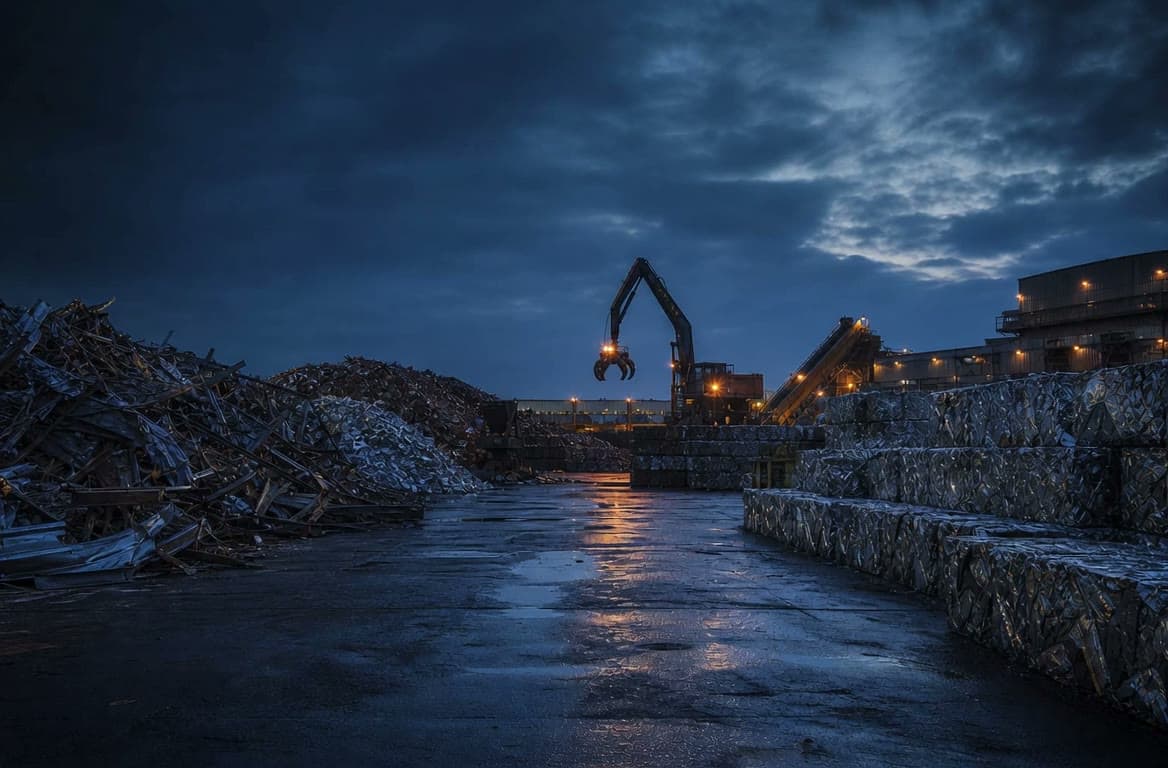
Independent materials management & advisory
Every Pound Has Value. We Help You Protect It.
Material Integrity Advisors helps manufacturers protect and maximize the value of recoverable materials — with independent oversight of how material moves, how it is priced and weighed, how settlements are paid, and how vendors and internal controls actually perform.
We represent manufacturers — not recyclers.
- 20+
- Years of industry experienceIndustrial recycling and recoverable materials
- 75+
- Industrial accounts managedManufacturer-side account responsibility
- 100M+
- Pounds of annual material flowAcross industrial programs
- ~$22M
- Industrial revenue responsibilityApproximate, annualized
Founder experience prior to launching Material Integrity Advisors.
Material integrity
Confidence from generation through payment.
Material Integrity is the confidence that every pound generated, shipped, received, settled, and paid accurately reflects the true value of your recoverable materials.
MIA gives leadership an independent view of the material, financial, operational, vendor, and recovery controls that determine whether that value is being protected.
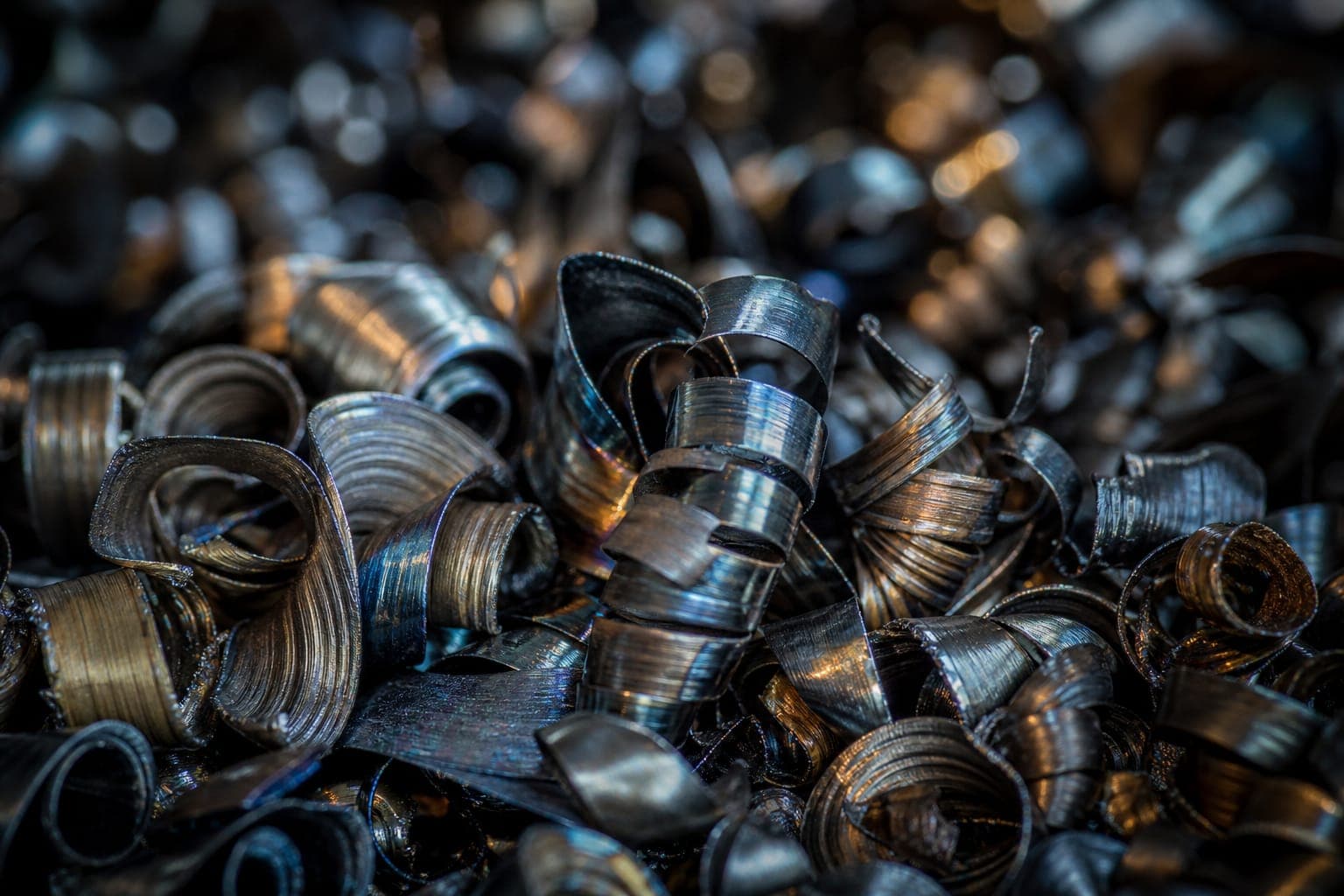
The Material Integrity Framework™
Five interconnected disciplines protect the value of every pound.
Successful material management extends far beyond selling scrap. It requires a complete system for protecting value from the plant floor through final settlement.
Pillar 01
Material Integrity
Every pound should be properly identified, segregated, and marketed according to its highest-value recovery opportunity.
Verify that material is identified, segregated, captured, and protected from contamination — then graded accurately and marketed to the right outlet.
What MIA examines
- Material identification
- Grade verification
- Segregation practices
- Contamination prevention
- Highest and best use marketing
Material Integrity Review™
See what your materials program is actually delivering.
The Material Integrity Review is a focused 30–60 day engagement that establishes the facts before you change vendors, renegotiate contracts, or commit to ongoing management. MIA evaluates the material, pricing, weight, settlement, vendor, contract, and control records that already exist, then converts what they show into a practical leadership roadmap.
30–60 days
Typical Review window
What leadership receives
- Current-state baseline
- Executive findings
- Prioritized risk register
- Quantified opportunities
- 30–60 day action plan
Warning signs
When should leadership take a closer look?
- 01Pricing formulas or deductions are difficult to explain or reconcile.
- 02Scale tickets, settlements, and payments are never reviewed together, so missing loads and unexplained variances go unnoticed.
- 03High-value grades are routinely blended or downgraded.
- 04Long-standing vendor arrangements have never been competitively tested.
- 05Leadership cannot see pounds, proceeds, deductions, service, and risk in one place.

How the work runs
Five steps, from first question to measured result.
Discover through Recommend is the Material Integrity Review: 30–60 days, fixed scope, decision-ready at the end. Implementation and monitoring continue only when leadership decides they should.
- 01
Discover
Define the business questions, the sites and materials in scope, the data available, and leadership's decision priorities.
- 02
Review
Evaluate how material moves and how it is priced, weighed, and settled — vendor by vendor, contract by contract, control by control.
- 03
Recommend
Present evidence-based findings, quantified value opportunities, and a prioritized action plan written for an operating executive.
- 04
Implement
Support the vendor, process, contract, reporting, and control changes leadership decides to make.
- 05
Monitor
Track results, exceptions, service, market conditions, and whatever leadership has made a priority this quarter.
Ongoing management
Independent oversight after the Review.
When continued support is justified, Material Integrity Management gives your organization a dedicated manufacturer-side advisor — so corrected terms stay corrected and vendor performance stays measured after the Review closes.
- Monthly pricing and settlement review
- Vendor governance and scorecards
- RFQ and RFP support
- Issue tracking and escalation
- Market guidance
- Quarterly executive reporting
Who this is for
Built for industrial materials programs.
MIA works with manufacturers whose recoverable materials are financially meaningful, operationally complex, or simply not visible enough.
- Multi-site companies running inconsistent vendors, terms, or reporting.
- Operations handling complex alloys, mixed grades or high-value turnings.
- Companies seeking independent validation of contracts, pricing or program performance.
- New ownership or leadership teams that need a baseline they did not inherit.
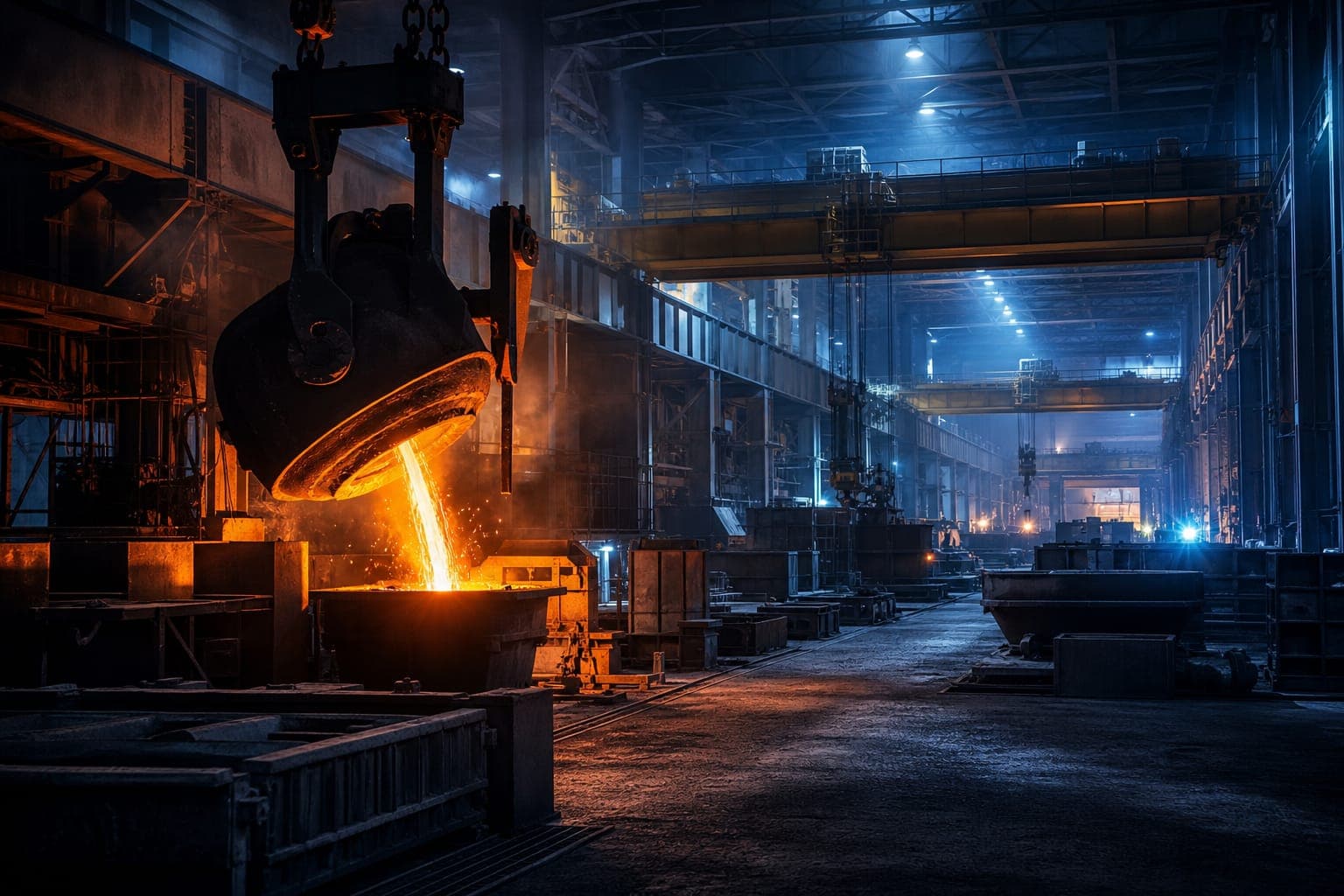
Priority environments
- Foundries
- Machine shops
- Metal stampers
- Fabricators
- OEMs
- Heavy-equipment manufacturers
- Multi-site industrial
- Private-equity portfolios
Why Material Integrity Advisors
Independence changes the quality of every decision.
Manufacturer-first
The advisory client is the manufacturer, and the client's interests define the scope. Every other role is disclosed in writing.
Operator-built
The methodology reflects real material, market, vendor and transaction experience — not generic procurement theory.
Evidence-based
Findings separate documented facts from reasonable calculations, open questions, and matters that need a specialist.
Executive-ready
The work is organized so leadership can see the risk, the economic effect, the priority and the next action.
The next step
You do not need to change vendors to ask better questions.
Start with an independent Material Integrity Review and give leadership a clear view of what is working, what is exposed, and where measurable value may be available.