Skip to content
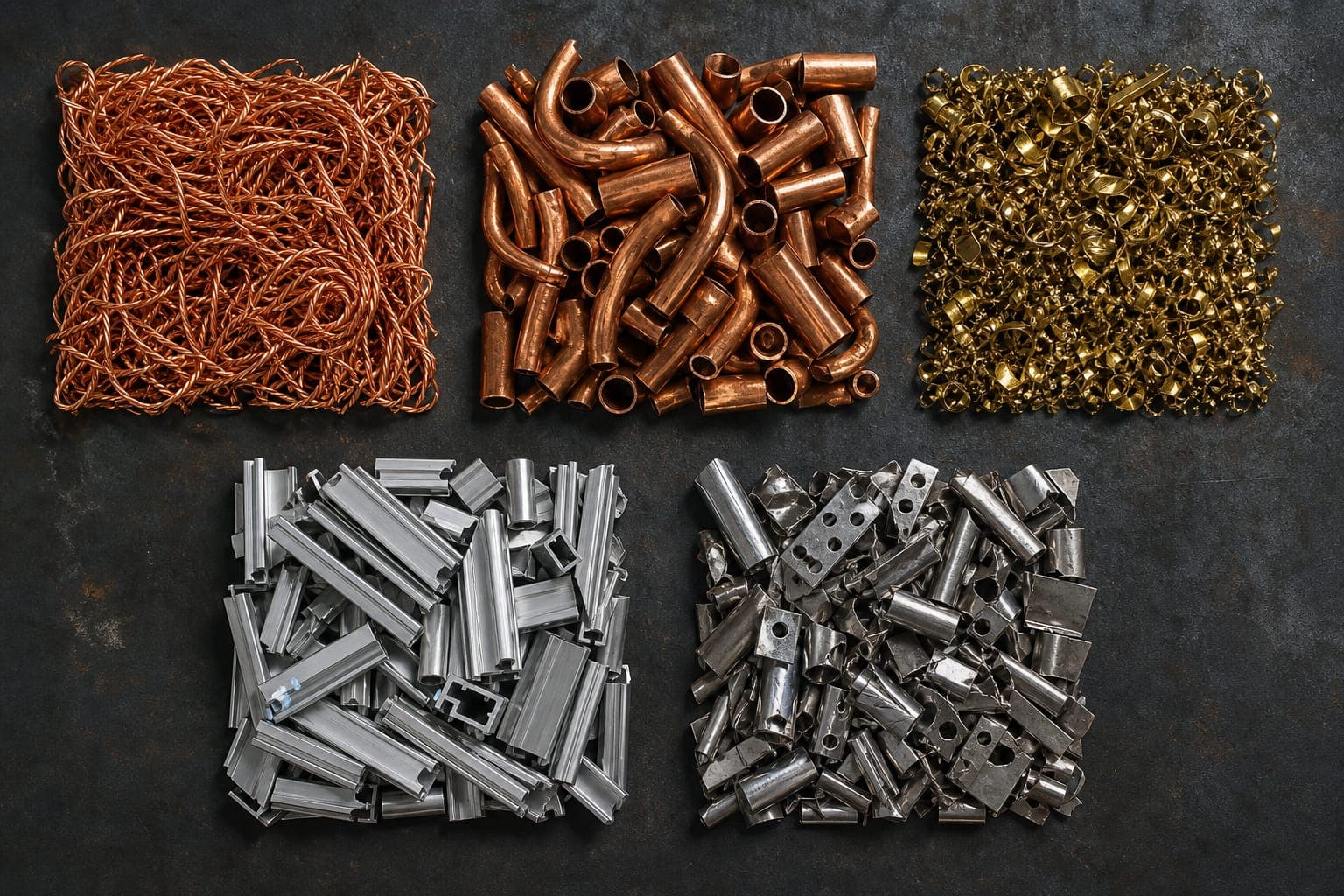
Industrial metal grades arranged side by side for comparison

The Material Integrity Framework™

Five disciplines. One standard for protecting material value.

MIA evaluates the full recovery system — not just the price on the final settlement — so manufacturers can see where value is protected, where it is exposed, and what to improve next.

Beyond selling scrap

The settlement is the outcome. The framework examines the system that produced it.

Each pillar addresses a distinct source of performance and risk. Together, they give operating and financial leaders a shared way to evaluate material quality, transaction accuracy, plant processes, vendor accountability, and missed recovery.

MIA is an independent advisor representing the manufacturer throughout that evaluation.

Pillar 01

Material Integrity

Every pound should be properly identified, segregated, and marketed according to its highest-value recovery opportunity.
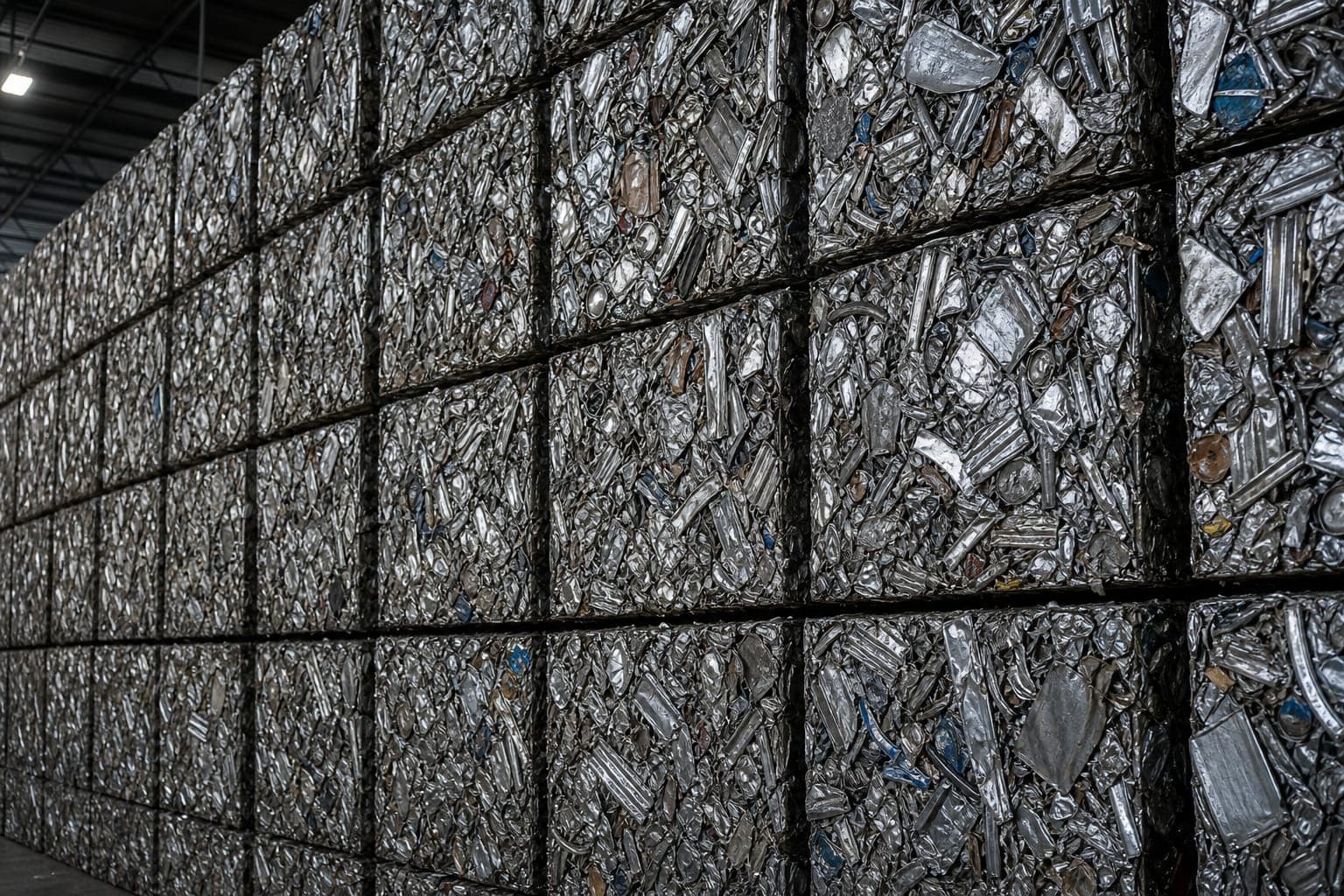
Baled aluminum stacked by lot in a warehouse

Verify that material is identified, segregated, captured, and protected from contamination — then graded accurately and marketed to the right outlet.

What MIA examines

  • Material identification
  • Grade verification
  • Segregation practices
  • Contamination prevention
  • Highest and best use marketing

Pillar 02

Financial Integrity

Manufacturers should have confidence that every transaction is accurate, transparent, and fully accounted for.

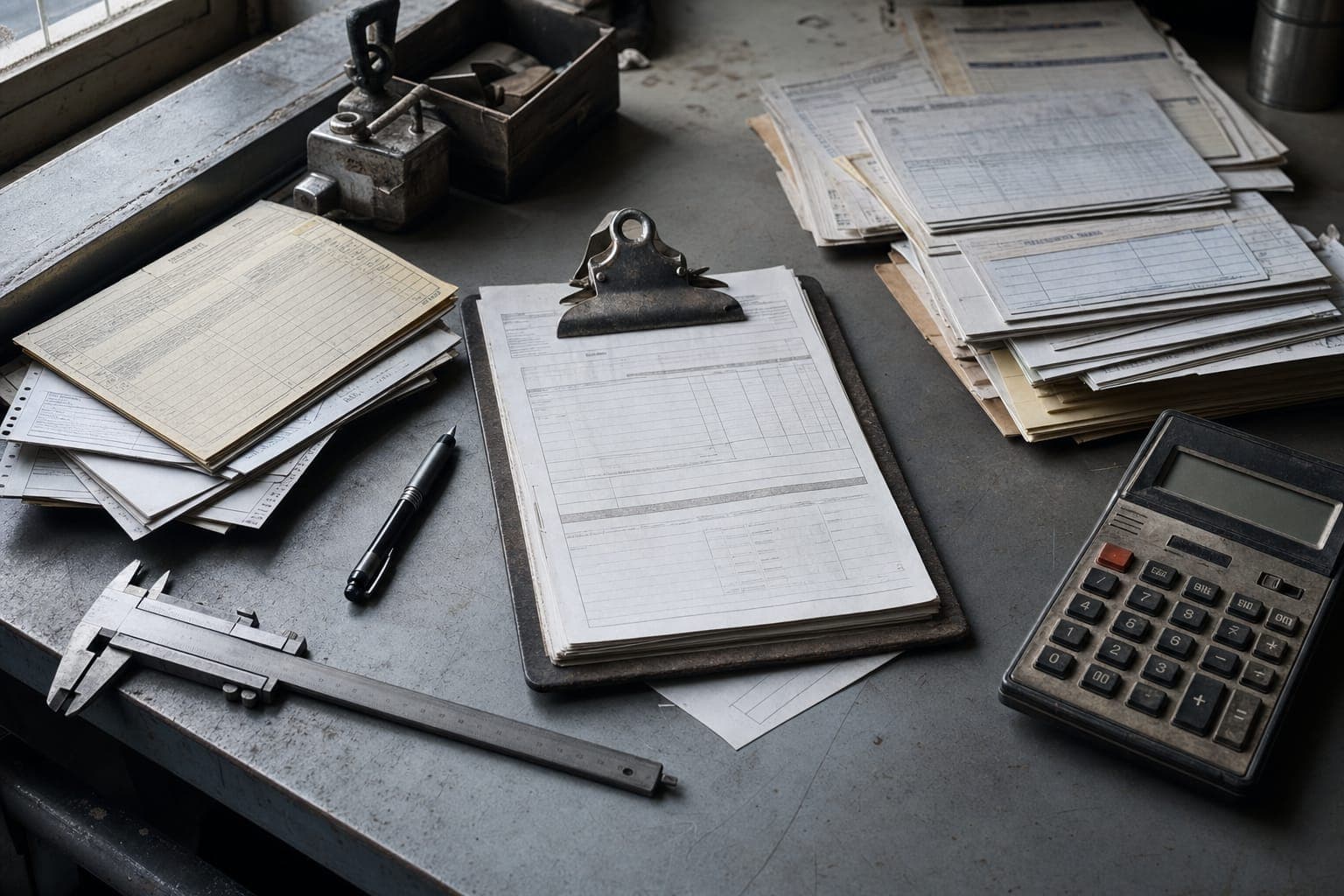
Settlement sheets and scale tickets laid out for review

Confirm that pricing formulas, indexes, deductions, freight, and settlements add up to the result leadership was expecting — and that payment follows.

What MIA examines

  • Pricing verification
  • Contract compliance
  • Settlement reconciliation
  • Freight review
  • Invoice review
  • Payment transparency

Pillar 03

Operational Integrity

Efficient processes reduce costs, improve safety, and maximize recovery.

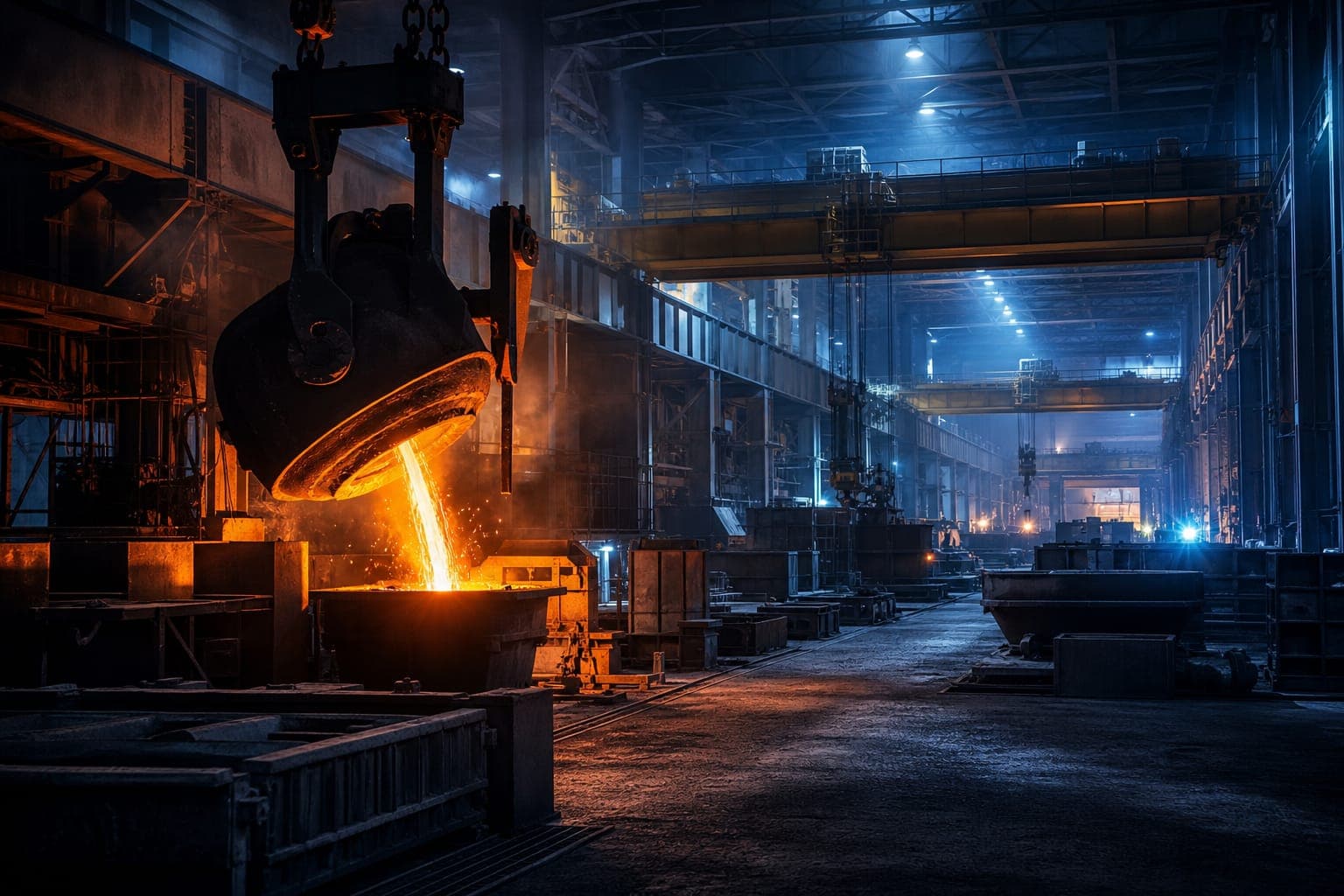
A foundry ladle pouring molten metal on the plant floor

Improve handling, equipment, reporting, training, and day-to-day execution — and make ownership of each explicit.

What MIA examines

  • Material flow
  • Container management
  • Pickup scheduling
  • Yard organization
  • Safety considerations
  • Process optimization

Pillar 04

Vendor Integrity

Recycling partners should consistently deliver value, service, accountability, and trust.

A vendor truck crossing the plant weighbridge

Measure service, documentation, contract compliance, responsiveness, and market competitiveness against clear expectations.

What MIA examines

  • Vendor performance
  • Service quality
  • Documentation and communication
  • Market competitiveness
  • Accountability
  • Long-term partnerships

Pillar 05

Recovery Integrity

Every opportunity to recover value should be identified and protected.

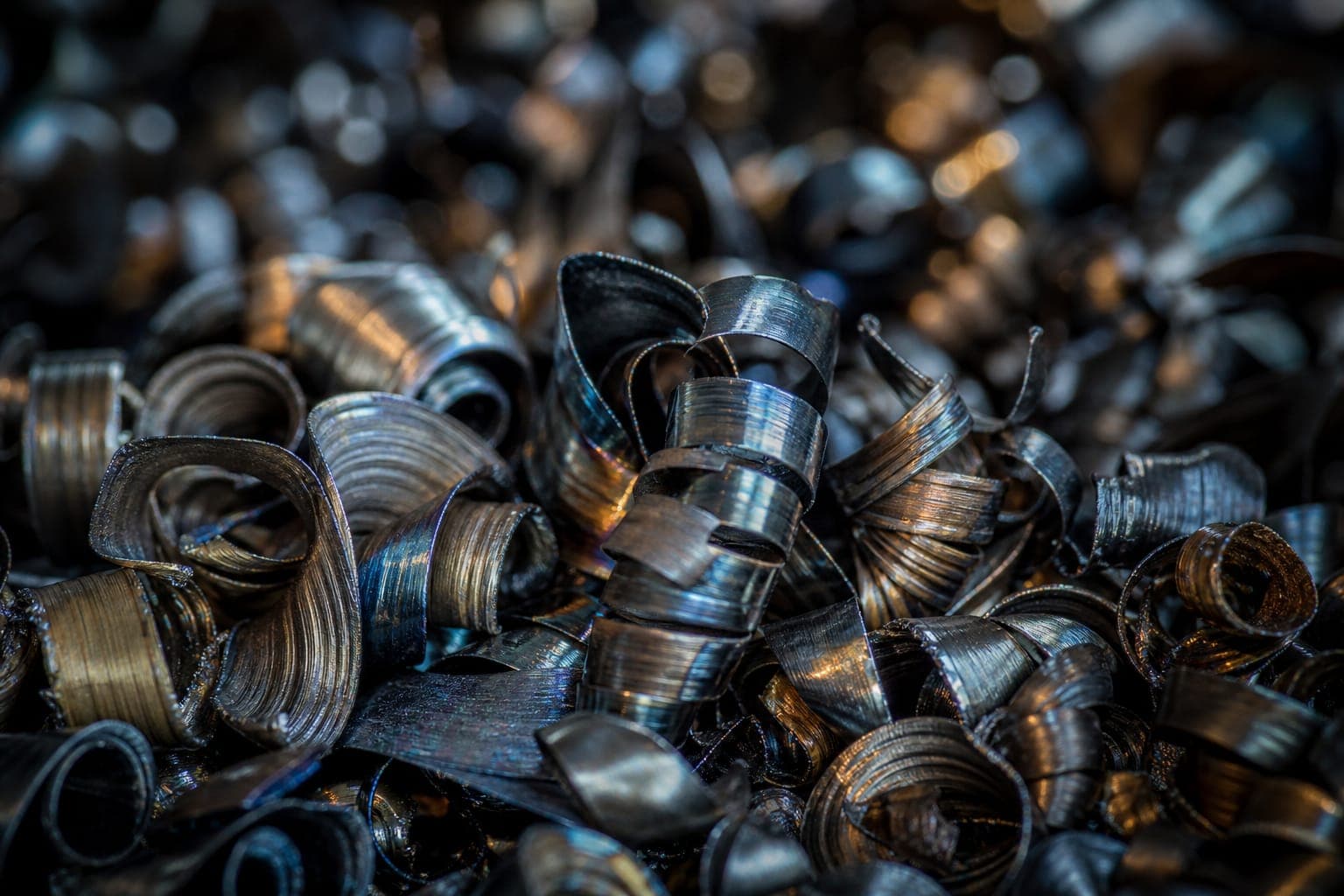
Close detail of segregated steel machining turnings

Identify and document potential underpayments, missing loads, contract issues, internal leakage, and other value that can still be recovered.

What MIA examines

  • Potential underpayments
  • Settlement discrepancies
  • Scale verification
  • Freight inaccuracies
  • Inventory leakage
  • Internal access controls
  • Contract compliance
  • Continuous improvement

The next step

You do not need to change vendors to ask better questions.

Start with an independent Material Integrity Review and give leadership a clear view of what is working, what is exposed, and where measurable value may be available.